

When is the last time you had to make a decision between underfloor heating or radiators? If you are in the middle of a purchase of a new home and need to decide on the heating system or if you want to upgrade your current system, this is a topic of interest for you.
In order to create a comfortable home, especially through the winter holiday season, it’s important to have good heating in your home. There are many options available, however, two top choices are underfloor heating and central heating radiators. Here are some advantages and disadvantages of both to help you decide which is best for your home.
How to Choose Between Underfloor Heating or Radiators
Underfloor Heating
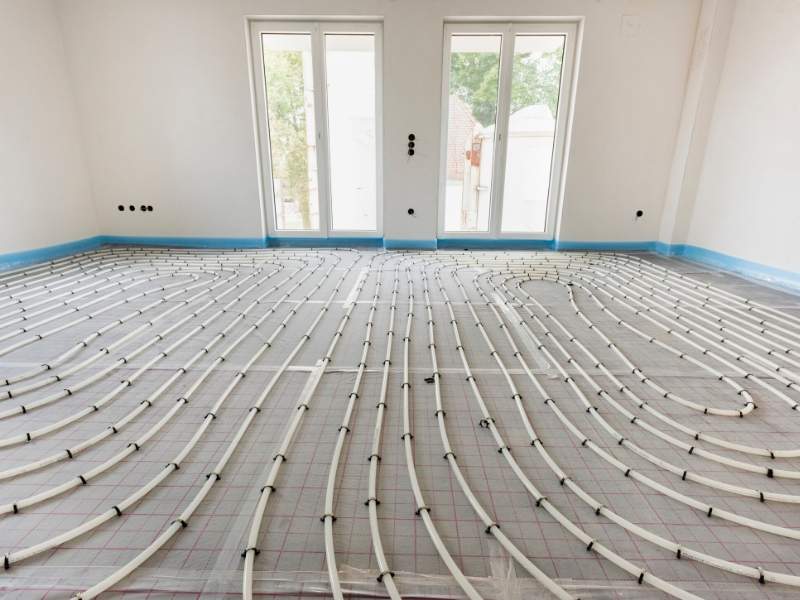
If you want to turn your floor into one big radiator then that’s precisely what underfloor heating does. Warm water pipes or electric mats concealed within the floor structure provide the heating source. Thanks to the large surface area it only needs to be a couple of degrees warmer than the room temperature and the heat will rise upwards.
√ Advantages
Underfloor heating is generally a more efficient way of heating any room, as the heat rises right from the bottom, leaving no cold spots. Plus, underfloor heating doesn’t take up any wall space, is easily disguised and isn’t a potential hazard, especially if you have young children in your home.
√ Disadvantages
The biggest reason some people don’t install underfloor heating is the price. It typically costs more than radiators to install, but the large upfront cost pays for itself in big savings over the long run. Therefore, that turns this into an advantage.
Radiators
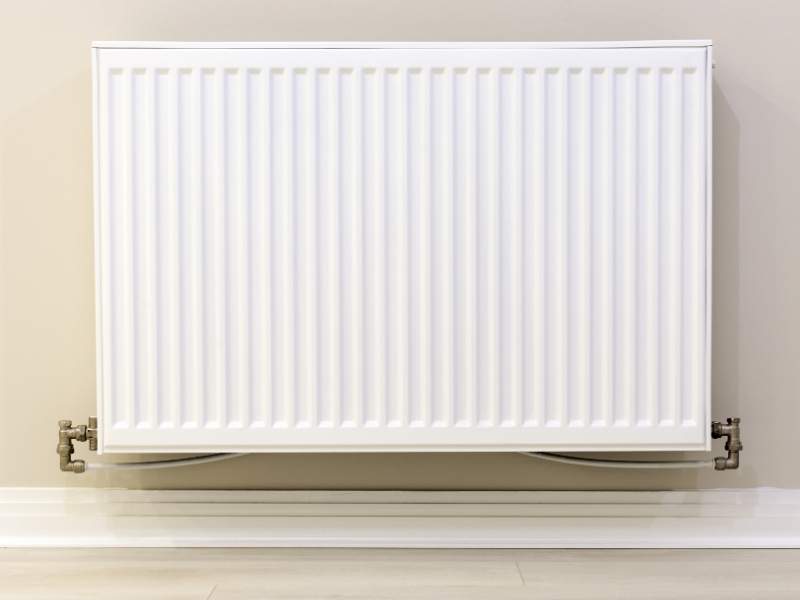
Central heating with radiators was first introduced in the 1930s and has been present in the majority of homes for the past 80 years. Steam radiators work by boiling water that travels through pipes into the radiator, heating up the room, while electric ones use a metal reservoir filled with special mineral oil that heats up.
√ Advantages
Many homes already have radiators installed and hooked up to the central heating system and they are much simpler to install if you have room on your walls. They are quick to warm up and simple to control, with the ability to choose ones that are the right size for your rooms. Plus, they’re less expensive than underfloor heating.
√ Disadvantages
Even though radiators have a long history of use, that doesn’t mean they are the best option. With radiators heat also rises so that the bare wall space below the unit is, therefore, a cold spot. Depending on the design, they might look out of place in your home. They also take up a significant amount of wall space which is sometimes unsightly and inconvenient.
Decide which heating option is best for your home and order your installation in time for winter and your seasonal holiday guests.
Other Posts You Might Enjoy:
4 Reasons to Switch to Double Glazed Windows
5 Ways To Prepare Your Home for a Cozy Winter
About the Author: Patricia Davis Brown