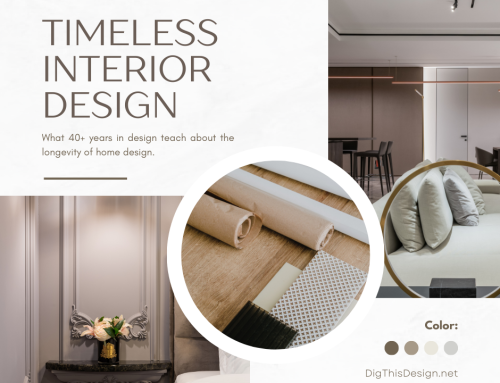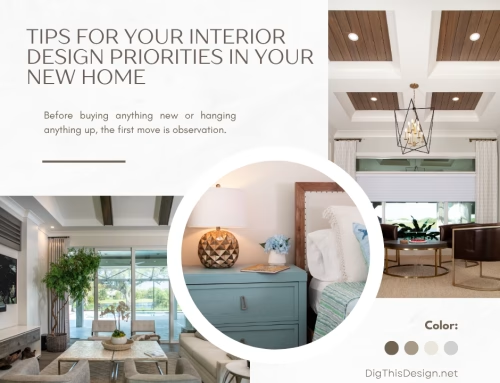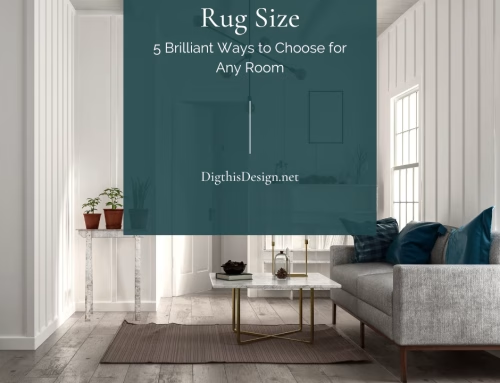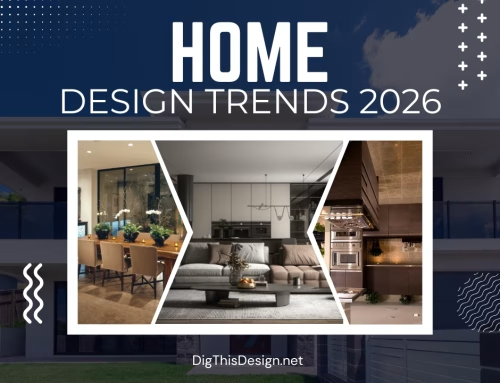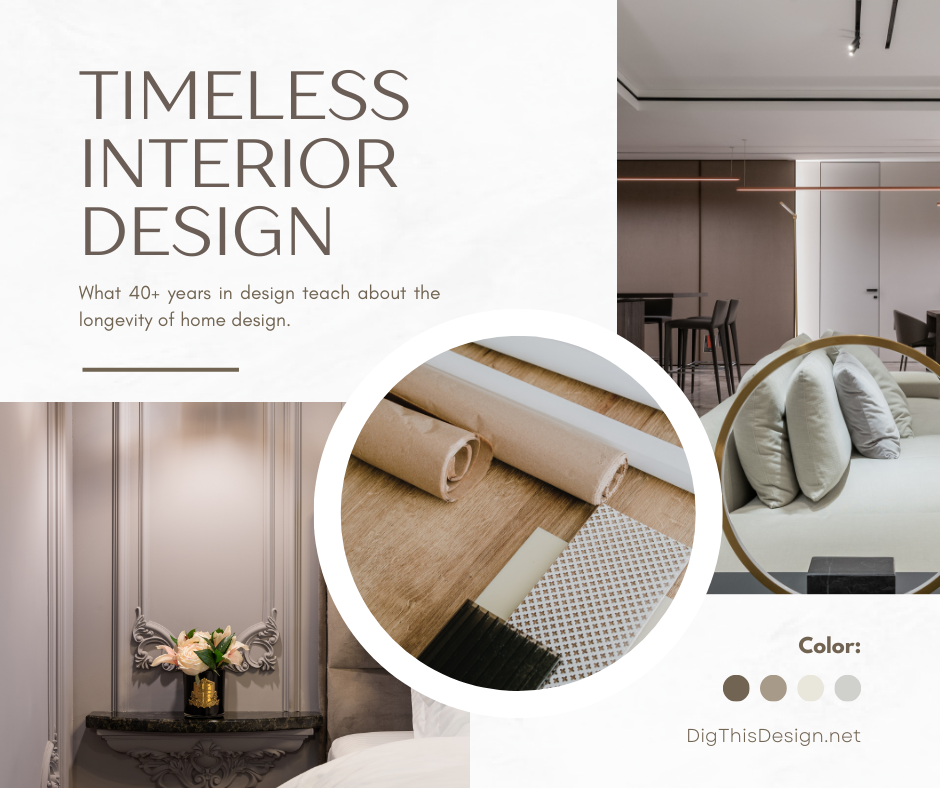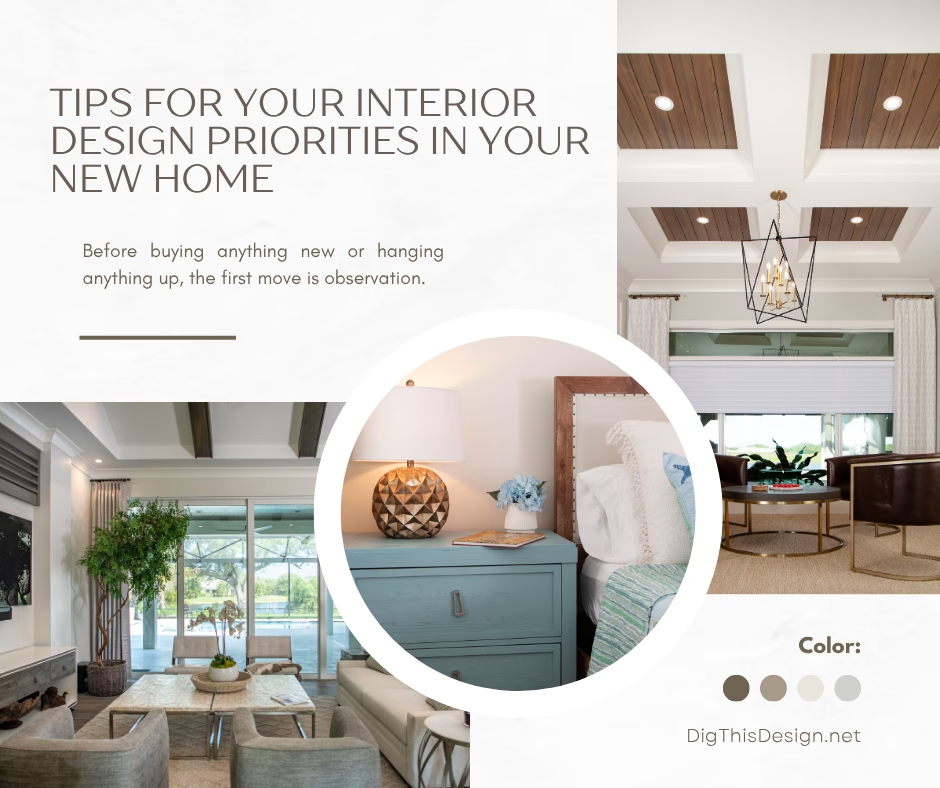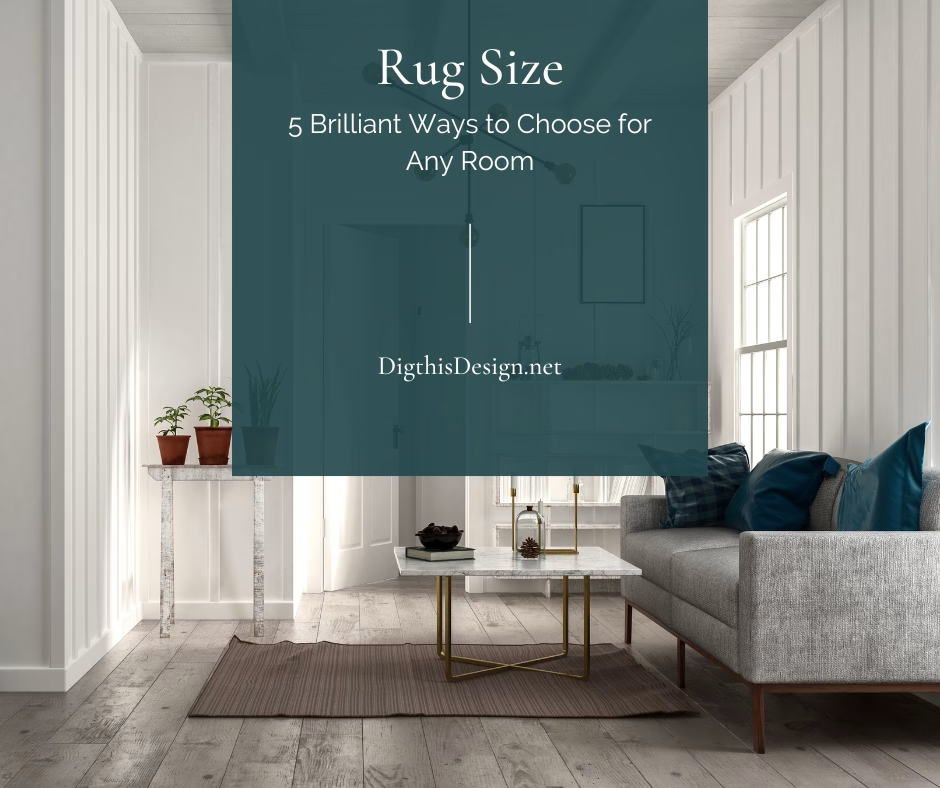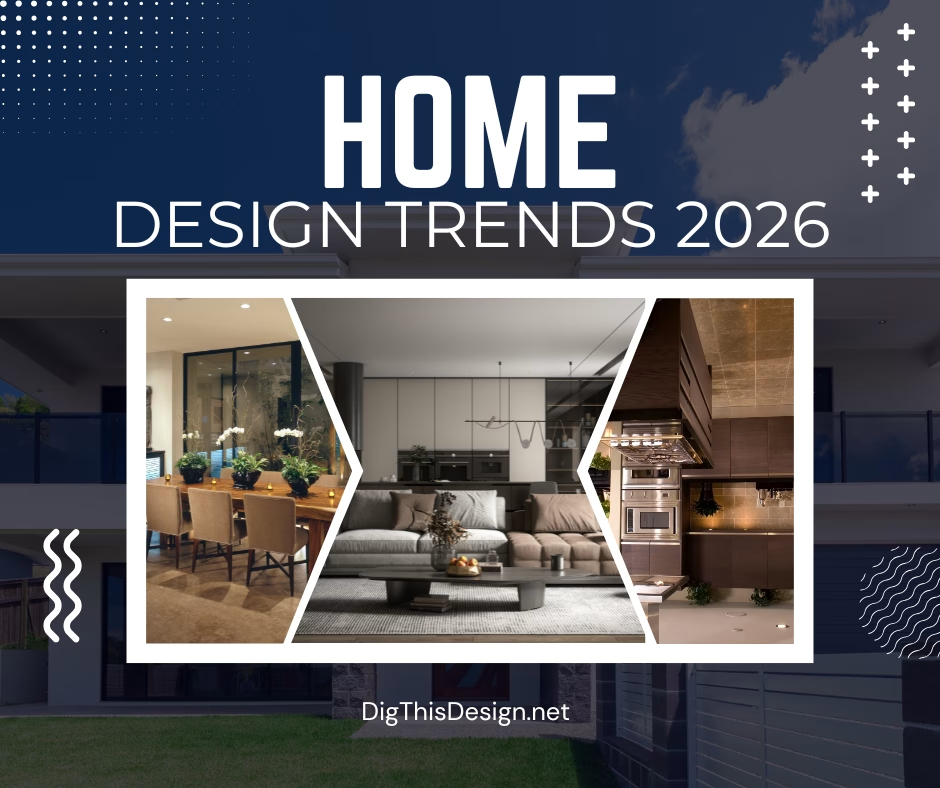

Styled, in-context visuals do something a product shot against a white background simply cannot: they show a room, a mood, a life. Understanding how furniture brands present collections before a single set has been physically staged is changing the way the industry approaches visual production entirely.
A well-composed room scene communicates far more than the product alone — scale, proportion, material, and mood in a single frame.
Why Isolated Product Shots Are Not Always Enough
There’s a place for the clean packshot. Against a white background, a well-lit product image communicates form with precision. For marketplace listings, catalog grids, and spec sheets, it remains the workhorse of any visual library.
But on its own, it leaves a significant gap, particularly for furniture, where the questions a buyer is actually asking are spatial ones. Does this fit my room? Does the scale work against the wall I have in mind? Does that fabric read as warm or cool in natural light? How does this collection feel as a whole?
A sofa photographed alone on a white surface tells you it exists. A sofa styled in a room, with a rug beneath it, afternoon light coming through a window, and a cushion in a contrasting texture, tells you how it lives. That distinction matters enormously for purchase confidence, and it matters even more when the buyer can’t walk the showroom floor.
For the design-oriented audience that furniture brands most want to reach, interior designers, creative homeowners, and boutique hotel buyers, the styled visual isn’t aspirational decoration. It’s decision-making information. It’s also why the way furniture brands present collections has evolved far beyond the traditional photo shoot.
What Styled Room Scenes Communicate Better Than Packshots
The most important reason furniture brands present collections in styled room scenes rather than isolated shots is to answer questions the buyer hasn’t thought to ask yet. Scale is the obvious one. A sofa that appears medium-large in a product shot might look intimate in a real room or overwhelming. Showing it in context removes that uncertainty before it becomes a return.
Material realism is the second thing. Fabric reads differently in a room than it does in a macro detail shot. The way velvet catches low winter light, or how a linen weave softens under warm ambient lighting, these qualities are invisible in a standard front-on product image. A styled scene with considered lighting shows them.
The third is collection cohesion. When a brand is launching a range rather than a single piece, buyers need to see how the pieces work together, how a dining chair relates to the table it was designed for, and how the coffee table anchors the seating. Isolated product shots can’t communicate that. A styled room image can do it in a single frame.
“The room isn’t the background. For furniture, the room is the product, the full picture of what the buyer is actually purchasing.”
Finally, mood. A colour palette, a lighting direction, a specific time of day communicated through the angle of shadow, these cues position a collection within a brand identity in ways that no spec sheet or product grid can replicate. They tell the buyer not just what the product is, but who it’s for.
How Furniture Brands Present Collections Across Launches, Catalogues, and Ecommerce
The challenge for furniture brands operating across multiple channels is that each one asks for something slightly different. A DTC ecommerce site needs a hero image with clean background removal, high resolution, and a consistent angle standard. A trade catalogue needs lifestyle scenes with generous white space for typography. A campaign asset needs something more editorial, stronger art direction, a clearer mood, and a specific season or story.
Running separate production for each channel is expensive, slow, and inconsistent. The brands managing this well have shifted to a different approach: build the scene once, at a high enough specification, and adapt outputs for each channel from the same base.
This is where brands producing styled visuals through furniture 3D rendering services have a particular operational advantage. A digitally built room scene can be lit for warm afternoon sun and cool morning light in the same session. The same sofa geometry can carry six different upholstery options without a new set. The camera can be repositioned for a landscape hero, a square social crop, and a portrait catalogue layout, all from the same base scene. The result is a visual library that serves every channel with consistent quality, produced before a single sample has been shipped or a studio day has been booked.
For brands with seasonal collections and tight launch windows, this matters practically. It is precisely how furniture brands present collections at scale, efficiently, consistently, and before the photo shoot is even scheduled.
What Design Teams Need Before the Shoot
The quality of any styled visual traces directly back to the quality of the brief. A brief that provides complete, unambiguous inputs produces images that need one round of minor adjustments. A brief that leaves materials vague, dimensions unstated, or mood undefined produces images that require multiple rounds, and often a full restart.
The inputs that matter most before production begins:
- Dimensions. Every relevant measurement, width, depth, height, seat height, and leg height. Scale errors in a room scene are immediately visible and require a full re-render. They’re entirely preventable.
- Material references. Physical swatches, Pantone codes, manufacturer finish references, or high-quality photographs of the material in natural light. “Dusty rose linen” isn’t a reference. A supplier fabric card photographed in context is.
- All active finish options. A complete list of every colorway, fabric, or material option available in the collection, including finish names as they’ll appear in the catalogue, so the visual library covers every variant from the start.
- Desired room mood. References are useful here: three to five images that convey the atmosphere, palette, and lighting the brand wants the scene to carry. Mood is harder to describe in words than in pictures.
- Styling direction. The level of prop styling, the era or aesthetic the brand is working within, and any items that must feature or must not. This is where brand identity lives in the visual.
A single briefing document, even a shared template, handled before any production begins, is worth more than any revision cycle afterward.
Checklist: How Furniture Brands Present Collections Before Every Shoot
Before Production — Inputs to Confirm
- All product dimensions documented and signed off
- Material and finish references provided for every variant
- Complete list of active colorways/fabrics in this collection
- Mood reference images provided (3–5 images minimum)
- Styling direction confirmed, props, era, key visual elements
- Lighting preference noted: natural, ambient, directional, time of day
- Channel requirements listed: ecommerce, catalogue, campaign, trade
During Production — Consistency Standards
- Scale verified against actual product dimensions in every scene
- Finish/material matches the approved reference before scene completion
- Lighting consistent across all scenes in the collection
- Camera height and lens are consistent across hero angles
- Prop styling consistent with brand positioning and target audience
- Every active variant assigned at least one hero scene
At Delivery — QA Before Release
- All images reviewed against the original mood reference
- Scale cross-checked, no piece reads oversized or undersized in context
- Material realism confirmed, fabrics, wood, and metal read correctly
- No visible artifacts, lighting seams, or geometry errors
- Alt text and file naming are applied before upload to any channel
- Channel-specific crops and sizes exported and confirmed
- Full variant coverage confirmed, no active finish without a visual
Mini Example: One Sofa, Three Room Moods, Six Upholstery Options
A mid-to-upper furniture brand is launching the Orland collection: a modular sofa with clean architectural lines, available in six upholstery options across three fabric families, two linens, two performance fabrics, and two velvets. The collection goes live across the brand’s website, a trade catalogue, and two wholesale partners simultaneously.
The brief calls for three distinct room settings: a pared-back Scandinavian living room for the linen options, a warmer, layered space for the performance fabrics, and a rich, maximalist interior for the velvets. This is a strong example of how furniture brands present collections across multiple moods without rebuilding from scratch for every variant.
| Scene Element | What Is Reused | What Changes |
|---|---|---|
| Sofa geometry | All scenes — same base model | Upholstery material per variant |
| Room architecture | Same room shell per mood group | Props, textiles, accent pieces per scene |
| Lighting | Consistent rig per mood group | Warm/cool/directional per setting |
| Hero image | Camera angle and framing | Fabric applied; exported per variant |
| Catalogue crop | Same scene, repositioned camera | No new render needed |
| Social / campaign | Same base scene, tighter crop | Seasonal props added if required |
In a physically staged approach, three distinct room sets would require three separate studio builds, six sample sofas, and separate lighting setups per environment, three to four weeks of production minimum, with no flexibility for last-minute fabric additions or channel-specific resizing.
With a scene-based 3D approach, the three room environments are built once. The six upholstery variants are material assignments on the same geometry. All six hero images, all three mood scenes, all channel crops, and a detail library are produced in the same production cycle, in roughly two weeks, with full variant coverage from day one. This is the operational reality of how furniture brands present collections in today’s competitive market.
Common Mistakes to Avoid
The most common errors occur when the brief or QA process is incomplete. Here is what to watch for:
Unrealistic scale. The most damaging error in furniture visuals. An armchair that reads as sofa-sized, or a dining table that looks like it seats twelve when it seats six, creates a return problem before the product is even purchased. Scale accuracy requires documented dimensions, not estimation.
Over-styled scenes. Prop styling that overwhelms the product defeats the purpose. When a buyer needs fifteen seconds to find the sofa in the image, the visual has failed. The scene should support the product’s legibility, not compete with it.
Weak material realism. Velvet that looks matte. Marble that reads as laminate. Oak that looks like vinyl. Material accuracy is where buyer trust lives in a furniture image, and the quality is most damaged by poor reference inputs.
Inconsistent lighting and art direction. One scene is warm and inviting. The next is clinical and cool. The collection reads as disjointed, which affects brand positioning across every channel. Design professionals notice this immediately.
Building a Reusable Visual System
The brands with the most consistent and cost-effective visual programs understand that how furniture brands present collections is not a one-off project; it’s a system. A documented visual standard that every production cycle feeds into and draws from.
That system has a few core components: a defined angle library of named camera positions applied consistently across every product and season; a live material library of every approved finish with swatch images and supplier codes; and a scene architecture of two or three room environments adaptable by season through prop changes and lighting adjustments, reused across campaigns without a full rebuild.
Every standard in that system exists to protect consistency, reduce decision fatigue, and keep the brand’s visual identity intact as the catalog grows. For most furniture brands, the shift starts with one collection, one documented angle standard, and one material library. The investment is modest. The compounding return, in consistency, speed, and reduced production cost per SKU, is significant.
FAQs
When should a brand use styled visuals instead of isolated product shots?
Styled room scenes earn their place whenever the product’s value depends on spatial context. This is the core reason furniture brands present collections in room settings rather than on white backgrounds: the buyer is making a decision about how something will feel in a space. Isolated shots remain essential for marketplace listings and spec sheets, but styled scenes do the heavy lifting for purchase confidence.
How many scenes are enough for a collection launch?
Two to three distinct room environments are usually sufficient, one that anchors the hero finish or flagship piece, and one or two that cover the range of mood the collection is meant to carry. From each environment, multiple outputs can be generated: a hero crop, a catalogue layout, a social square, a campaign detail. The scene count stays manageable; the output count scales with channel requirements.
How do teams keep finishes realistic?
Material realism lives or dies in the reference inputs provided at the brief stage. Physical swatches photographed in natural light, supplier finish specifications, and close-up reference images of the material in context are the inputs that produce accurate results. Vague names, “dark walnut,” “stone grey,” “warm brass”, produce interpretation, not accuracy.
Can the same visuals be reused across ecommerce and campaigns?
Yes, provided the original image is produced at a specification high enough to meet every channel’s requirements. An ecommerce hero, a catalogue spread, a social square, and a paid ad crop can all originate from the same base image if the production spec was set correctly at the outset. The cost is in producing once at the right quality; the saving is in never re-producing for each new channel requirement.
About the Author: Patricia Davis Brown